
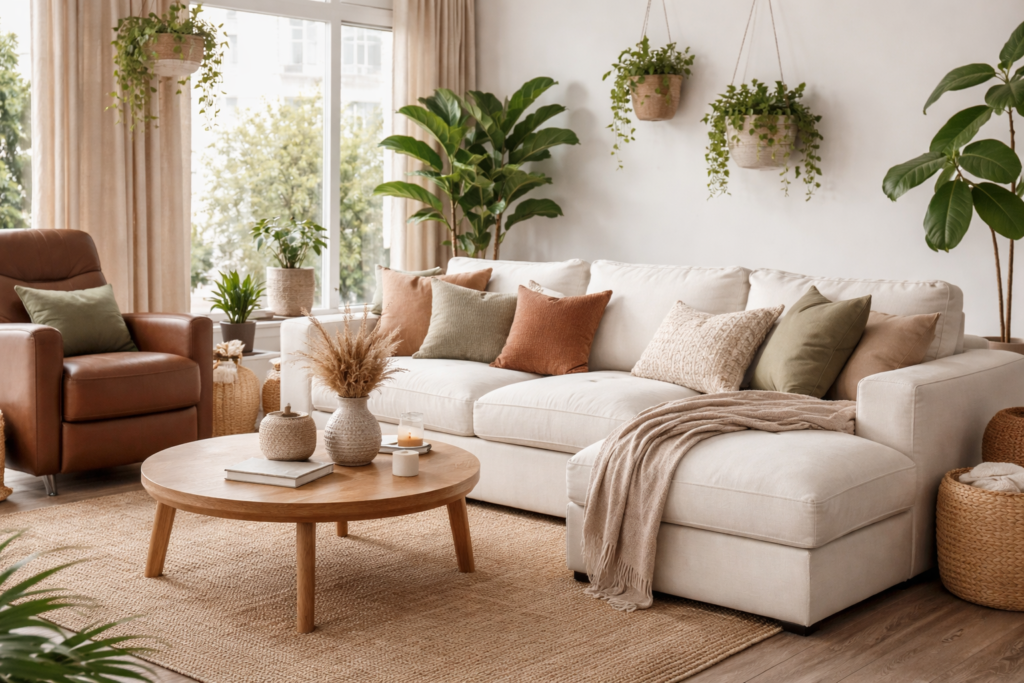
As the world warms to eco-friendly living, the sofa—the heart of the home—is getting a sustainable makeover. From reclaimed-wood frames and biodegradable foams to plant-based upholstery and circular-design repair programs, global sustainable sofa trends are reshaping how we buy, make, and maintain our most-used furniture. Whether you’re a design-savvy homeowner, an interior professional, or a business searching for greener suppliers, these trends show how style and sustainability can sit comfortably together.
1. Materials Matter: Low-Impact Frames and Fillings
Manufacturers are replacing conventional materials with lower-impact alternatives. Solid, locally sourced timber and recycled metal frames reduce carbon footprints, while new foam alternatives—such as soy-based or algae-derived foams—offer resilience without the petroleum-heavy cost. Natural fillers like kapok or recycled polyester batting provide softer profiles and a reduced environmental toll.
2. Circular Design: Repair, Reupholster, Reuse
Circularity is more than a buzzword—it’s a business model. Leading brands design sofas to be easily disassembled for repairs, allowing parts to be replaced rather than discarded. This extends product life and reduces landfill waste. Local services that offer sofa repair and restoration have become invaluable partners in this shift, making it easier for consumers to choose refurbishment over replacement.
3. The Rise of Modular & Multi-Functional Sofas
Modular sofas cater to changing lifestyles: move a section for a new floorplan, add a chaise for guests, or swap a worn cushion without replacing the whole set. Multi-functional pieces with built-in storage or convertible elements reduce the need for extra furniture, conserving resources and floor space.
4. Transparent Supply Chains & Certifications
Shoppers increasingly expect transparency. Certifications—such as FSC for wood and Global Recycled Standard for fabrics—help buyers identify responsibly sourced products. Brands that publish supply-chain details and carbon-reduction commitments stand out in an informed market.
5. Local Craftsmanship and Ethical Production
Supporting local makers reduces transport emissions and fosters skilled employment. In markets worldwide, customers are looking for a trusted sofa maker in Dubai and other cities that combine traditional craftsmanship with modern sustainability standards. Local artisans can often create bespoke pieces tailored to a household’s exact needs while using sustainable materials—an appealing alternative to fast furniture.
6. Smart Fabric Choices: Longevity Over Low Cost
Durability is the new sustainability metric. High-quality, tightly woven fabrics last longer and resist stains, reducing the frequency of replacement. Recycled textiles and natural fibers—linen, hemp, and organic cotton—are gaining popularity. Many consumers now factor in repairability and the availability of replacement covers when choosing upholstery.
7. Professional Upholstery & Local Services
A well-done reupholstery job can add decades to a sofa’s life. Services labeled as sofa upholstery in dubai and beyond offer eco-conscious fabric options and skilled tailoring that restore both function and style. Promoting re-covering rather than discarding preserves embedded resources and supports local tradespeople.
8. Comfort Meets Tech: Sustainable Performance
Sofas are integrating sustainable performance technologies—antimicrobial finishes derived from natural compounds, low-VOC adhesives, and non-toxic fire retardants. These improvements make furniture safer for homes and kinder to the planet without compromising comfort.
9. Second-Life Furniture & Rental Models
Growing demand for flexibility and lower ownership costs has fueled furniture-as-a-service platforms and curated second-life marketplaces. Renting a sofa or buying certified pre-loved pieces reduces demand for new production and helps sofas complete the full loop from manufacture to reuse.
10. Design Aesthetics: Minimalism with Warmth
Sustainable sofas favor classic silhouettes and neutral palettes that transcend fleeting trends. Earth-toned colors, textured natural fabrics, and honest material finishes create spaces that feel timeless and eco-aware. This aesthetic also enhances resale value, supporting circular consumption.
How Consumers Can Make Smarter Choices
- Prioritize durability: choose well-built frames and removable covers.
- Ask for certifications and material breakdowns.
- Consider a local sofa maker in dubai or your city to reduce shipping emissions.
- Explore sofa upholstery in dubai or local equivalents to refresh and extend existing pieces.
- When shopping, test for comfort and check maintenance recommendations.
Ready to choose sustainably? Start by checking materials, asking for recycled options, and scheduling an upholstery consult with local experts to prolong your sofa’s life.
Make sustainable sofa choices today for a greener, cozier tomorrow.
Final Thoughts
Global sustainable sofa trends are converging on a single point: longevity. The future of furniture lies in quality, local craftsmanship, repairability, and responsible materials. Whether hunting for a cozy recliner sofa in dubai or sourcing a professional refurbisher, options like eco-friendly fills and expert upholsterers allow buyers to choose comfort without compromise. Small decisions—opting for recycled fills, reusable covers, or expert upholstery—collectively reduce waste and promote a more circular furniture economy.
Embrace furniture that tells a story of care: of materials chosen thoughtfully, of makers paid fairly, and of sofas designed to live many lives.